Interior stylist: the art of atmosphere, balance and experience
The interior stylist: a master of atmosphere and coherence
An interior stylist is the silent force behind a home that feels balanced. Not through major renovations or architectural interventions, but through subtle choices in color, materials, light, and composition.
A good interior stylist knows how to bring spaces to life, with a refined sense of harmony and experience. Yet, styling often remains the visible part of a deeper whole: the way a home is designed and experienced.
This raises the question: when is the expertise of an interior stylist sufficient, and when is it time to engage an interior designer like Remy Meijers who looks beyond the interior design alone?
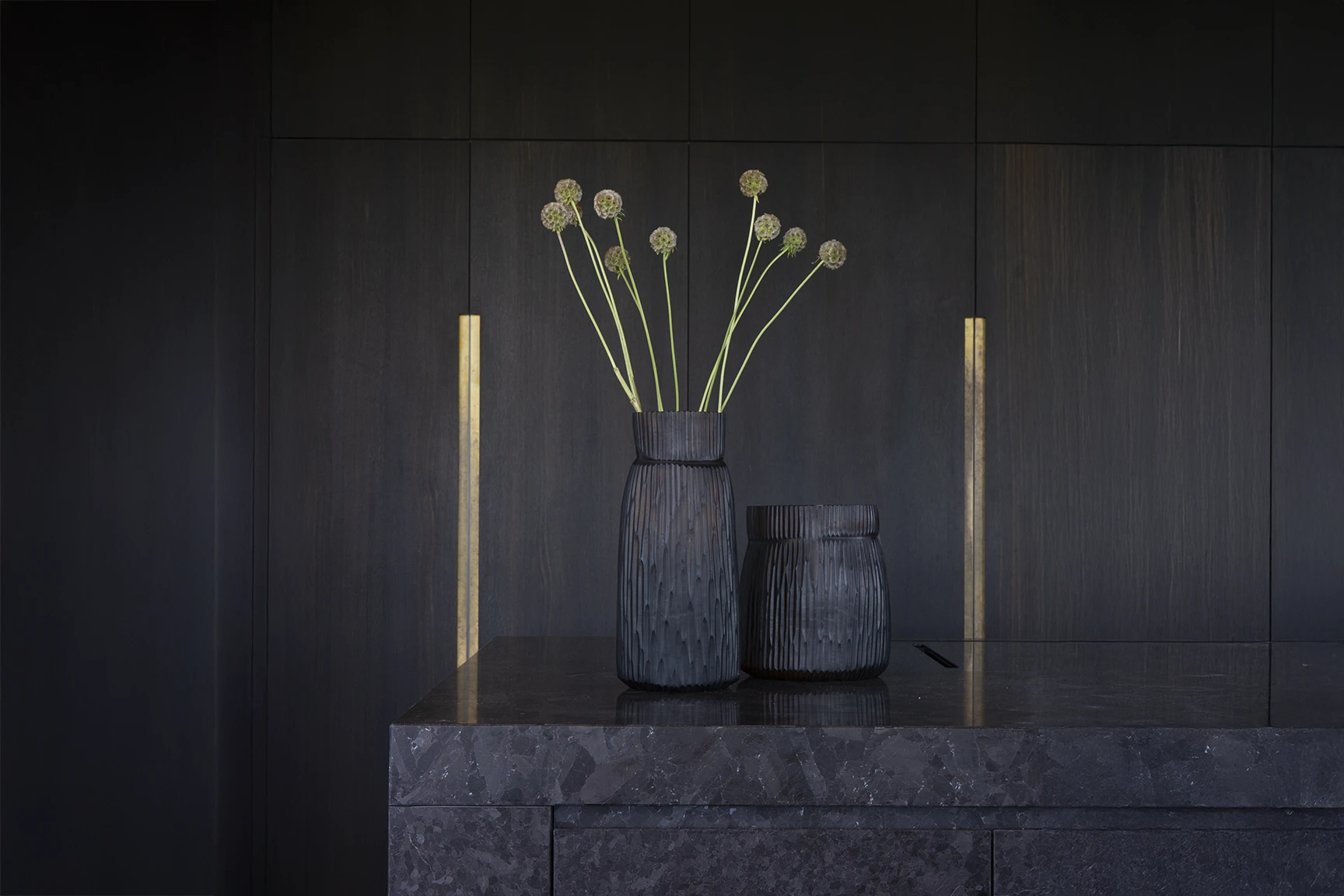 Interior styling with eye for detail by Remy Meijers
What exactly does an interior stylist do?
An interior stylist focuses on the aesthetics of the living space. They translate your taste into colors, fabrics, accessories, art, and lighting. While an architect designs the structure of a home, and an interior designer determines the layout and custom solutions, the interior stylist adds the final touches to the ambiance.
The goal of an interior stylist is to create a cohesive whole in which every detail works together: the shade of a wall, the texture of a fabric, the sheen of a material. A well-styled space feels complete without being overdone.
For many residents, this is the moment when a home becomes personal, where character, comfort, and identity converge.
Interior styling in the higher segment
In the higher segments — villas, penthouses, or historic buildings — interior styling takes on a new dimension. Here, it's not about trends or seasonal colors, but about timeless refinement.
Residents at this level seek tranquility, continuity, and authenticity. They want an interior that enhances the architecture and an atmosphere that suits their lifestyle. In such homes, styling isn't a separate process, but part of a holistic vision.
An interior stylist working at this level understands proportions, relationships, and the experience of materials. Every cushion, painting, or piece of furniture is carefully selected to contribute to an atmosphere of understated luxury.
The difference between interior stylist, interior designer and interior architect
Although the terms are often used interchangeably, the emphasis is clearly different:
Interior stylist – focuses on atmosphere, color, materials, and accessories.
Interior designer – designs the layout of spaces, including furniture layout and lighting.
Interior architect – considers the building's structure and designs customized solutions that enhance the architecture.
For a home with character or an ambitious renovation, the difference is essential. While an interior stylist ensures coordination of style, an interior designer adds structure, tranquility, and depth.
When styling is no longer enough
Many homeowners start with an interior stylist. They want more cohesion, ambiance, or luxury in their home. Yet, they quickly realize that some limitations can't be solved with styling: the wrong light, a door that's too low, an illogical floor plan. At that point, styling ends and architecture begins.
An interior designer looks not only at what's visible, but at the space itself. How light enters, how sightlines work, where customization is needed to create harmony.
Those who truly want to create a home that exudes tranquility should therefore engage an interior designer; someone who designs the whole, not just the finishing touches.
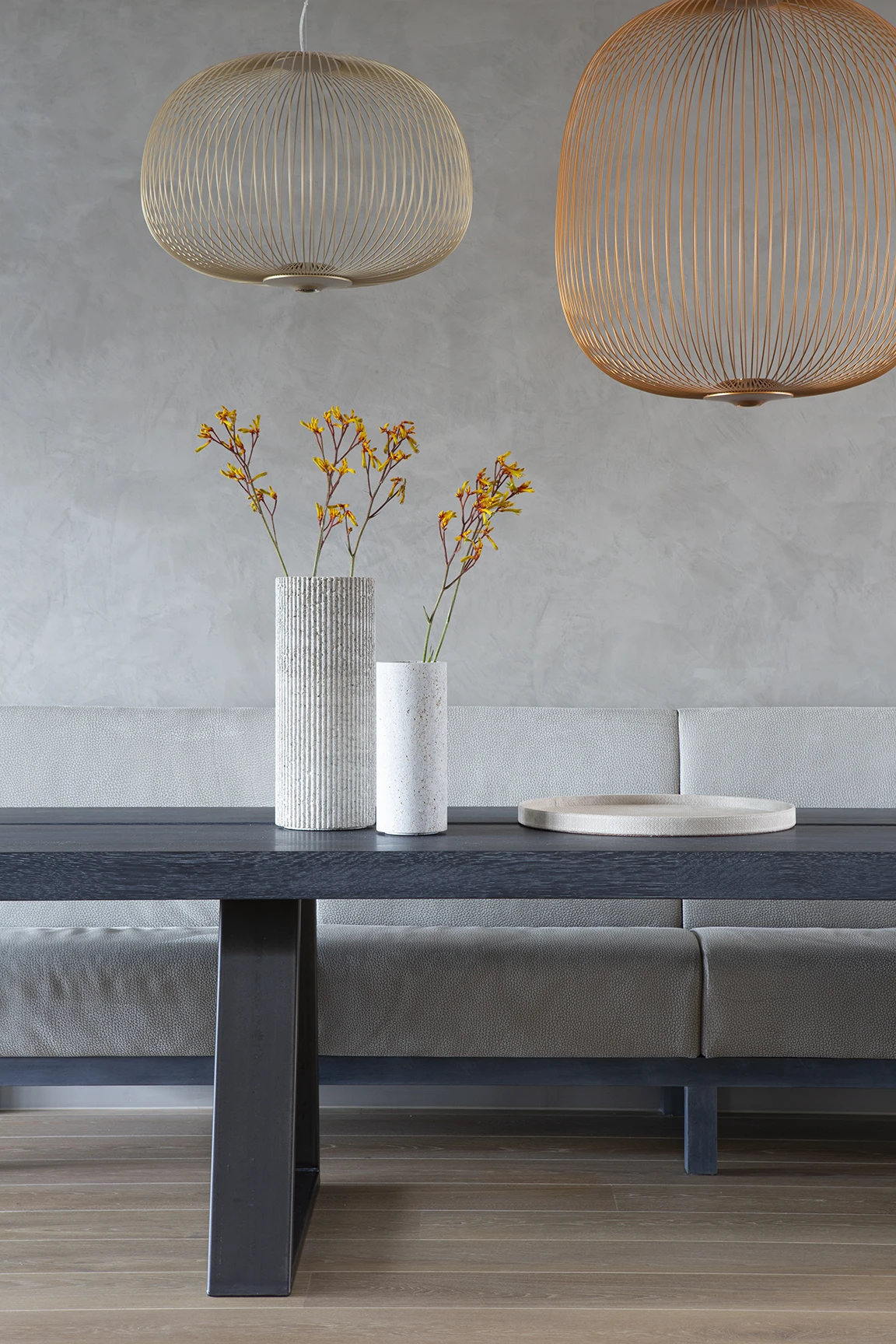 interior styling with color, materials and shapes
Remy Meijers' vision: from styling to signature
Remy Meijers is one of the few designers who masters all disciplines: from styling to architecture.
Where an interior stylist creates atmosphere, Meijers designs the experience. He translates his clients' lifestyles into spaces where every element is perfect: color, light, materials, layout, and customization.
His style is minimalist yet warm, understated yet rich in nuance. By working with natural materials like wood, stone, linen, and steel, he creates interiors that evoke tranquility and remain timeless. It is precisely this transition from styling to vision that distinguishes his work.
Why an interior designer adds value
Anyone who owns a high-end home knows that every detail matters. The right proportions, the balance between old and new, the interplay of light and materials. Everything contributes to the experience of luxury.
An interior designer like Remy Meijers thinks holistically: he designs spaces based on structure, not decoration. This creates a home where everything comes together: architecture, interior, and ambiance.
That's what makes the difference between a beautifully styled home and a living environment of exceptional quality.
Timeless interior styling as part of a total vision
Interior styling remains a crucial part of the process. Styling also plays a role in Remy Meijers' work, but always as the final element of a carefully designed whole.
It's not about decoration, but about completion. About that final touch that completes the harmony. In his projects, we see how colors, fabrics, and accessories enhance the architecture rather than overpower it.
In this way, styling isn't the end point, but rather an integral part of a timeless design.
Interior styling as a starting point, architecture as a destination
An interior stylist helps give a home character, create ambiance, and find balance. But creating something truly exceptional, a home that exudes tranquility, refinement, and harmony, requires more than just styling.
An interior designer like Remy Meijers goes further. He translates not just a style, but a way of life. His holistic approach creates an interior that effortlessly stands the test of time: understated, balanced, and full of meaning.
Would you like to get acquainted without any obligation?
Do you have an exclusive home that requires more than just interior styling? Contact Remy Meijers for a free, no-obligation consultation. He'll work with you to bring your dream home to life with the power of timeless interior design.