Interior Architect Amsterdam: Where Heritage and Contemporary Elegance Converge
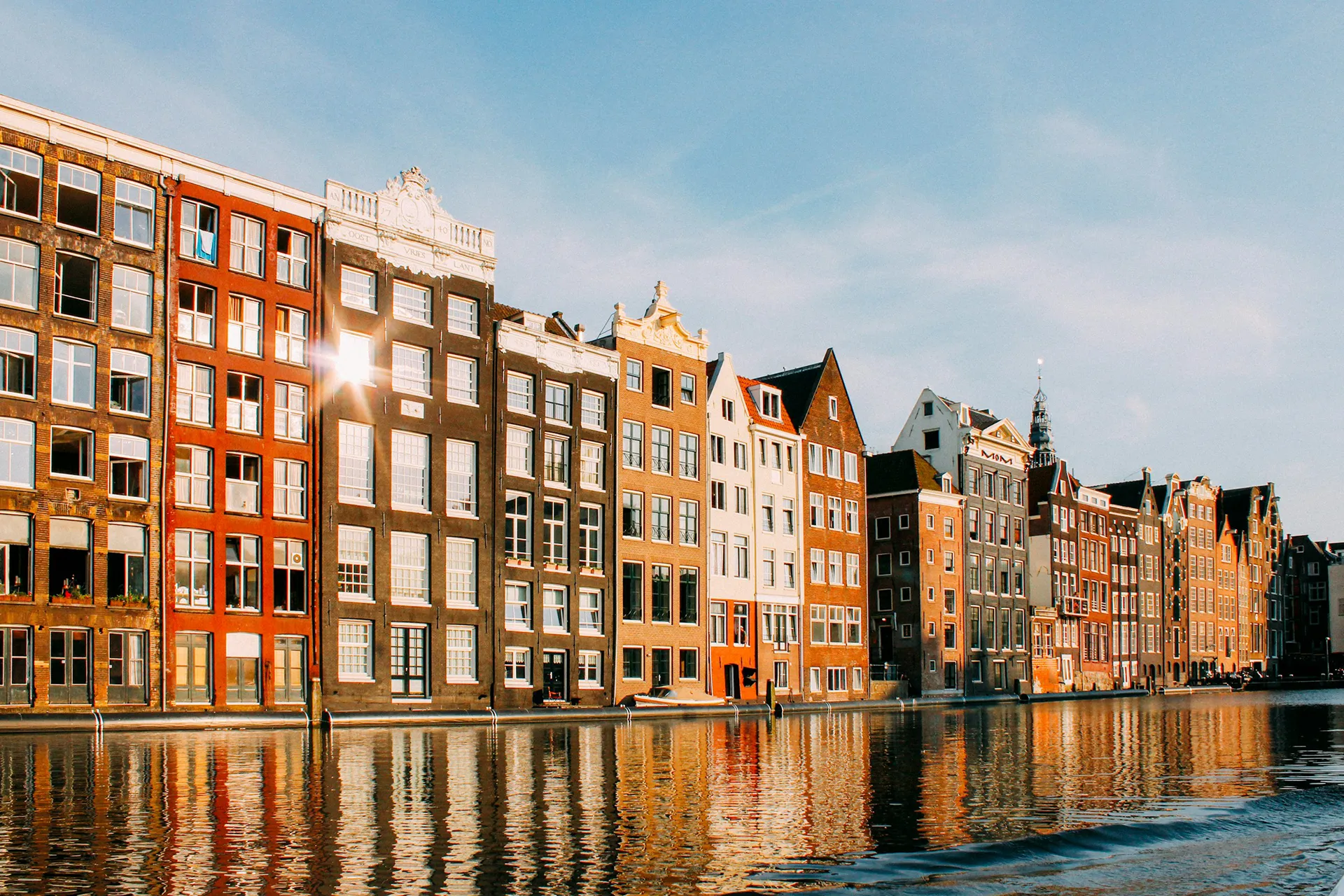
Amsterdam is a city of contrasts. Canal houses from the Golden Age stand alongside contemporary architecture, monumental townhouses share the skyline with modern penthouses. In this dynamic metropolis, where history is tangibly present and innovation shapes the future, every interior demands an approach that understands and respects both worlds.
As an interior architect in Amsterdam, I create spaces that embrace this rich diversity. Interiors where the past is not copied but honoured, where modernity does not shout but whispers, where silence finds its place amidst the vibrant energy of the city.
The Essence of Amsterdam Living
There is something extraordinary about the light in Amsterdam. The way it reflects on the canal waters, falls through tall windows of narrow canal houses, the subtle changes with the seasons. This light asks for interiors that embrace it rather than fight against it.
In my work as an interior architect, I allow myself to be guided by what the city and its architecture communicate. The vertical proportions of a 17th-century canal house demand different solutions than the open spaces of a loft in a former warehouse. It is about listening, feeling, understanding before the first design takes shape.
Finding silence in a bustling city like Amsterdam is a challenge. It means creating spaces that offer refuge, where you can land after a day full of impressions. Where materials and forms embrace you without overwhelming. Where every element has its function, yet tells its own story.
Canal Houses: Monumental Beauty Redefined
The canal belt forms Amsterdam's beating heart. This UNESCO heritage site houses some of the Netherlands' most characteristic residences: narrow façades, steep staircases, beam ceilings, original fireplaces. Every detail carries centuries of history.
Redesigning a canal house demands profound respect for this heritage, combined with the ability to integrate contemporary luxury and comfort without disturbing the authentic charm.
Preserving Authenticity
Original elements form the foundation. Monumental fireplaces, stucco ceilings, authentic floors, antique wall panelling: these are not obstacles but details that must be preserved. As an interior architect, it is my task to honour and, where necessary, restore these elements.
It requires careful restoration work, collaboration with specialised craftsmen, patience to return materials to their original splendour.
Modern Functionality in Historical Context
Simultaneously, contemporary life demands amenities that 17th-century architects could not foresee. Luxurious bathrooms, modern kitchens, integrated technology, climate control: everything must be seamlessly woven into the historical context.
This is where interior architecture transcends styling. It involves structural interventions, intelligently reconfiguring spaces, bespoke solutions that perfectly align with the existing structure. A kitchen concealed behind classical cabinetry. A bathroom in what was once a bedroom, with plumbing and facilities invisibly integrated.
Modern Living in Amsterdam: Penthouses and Lofts
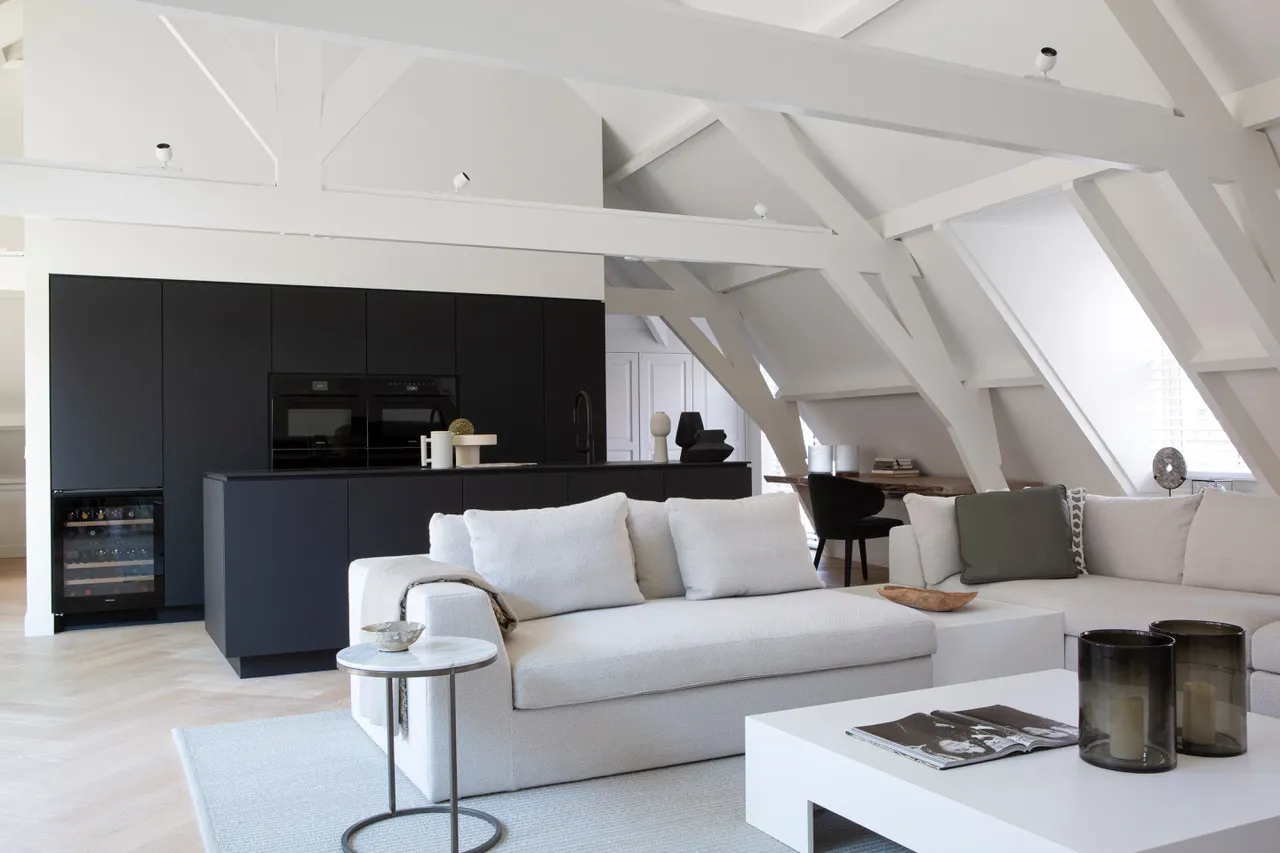
At the opposite end of the spectrum stand the modern developments that have enriched Amsterdam's cityscape. From contemporary penthouses in Amsterdam-Zuid to industrial lofts in former warehouses along the IJ: these spaces offer entirely different possibilities.
The Power of Openness
Modern Amsterdam architecture plays with space and light in ways impossible in historical properties. Large glass panels offer panoramic views across the city, open floor plans create flowing transitions between different living zones, high ceilings provide a sense of freedom.
As an interior architect, the challenge lies in structuring this openness without losing it. Creating intimacy within grandeur. Defining different zones without walls, through material contrasts, raised floors, transparent divisions.
Industrial Heritage Transformed
The warehouses along Amsterdam's harbours form a unique category. Raw brick walls, metal beams, large industrial windows: elements that tell the space's past and form a powerful foundation for contemporary interiors.
Here it is about balance. Preserving industrial authenticity while adding a level of refinement befitting the luxury segment. Raw materials combined with soft textures, cool steel frames with warm wood, large open spaces with intimate seating areas.
Amsterdam-Zuid: Architecture of the Amsterdam School
The neighbourhoods of Plan-Zuid offer yet another fascination. The expressive architecture of the Amsterdam School, with its organic forms, detailed ornaments and artisanal finishes, demands a specific approach.
These interwar properties possess their own character: more spacious layouts than canal houses, more light through larger windows, distinctive details in woodwork and tilework. As an interior architect, I work with these characteristics, not against them. It often means removing previous, inappropriate renovations to reveal the architect's original vision once more.
The Role of Bespoke in Amsterdam Interiors
In a city where no two properties are identical, bespoke is not a luxury but a necessity. Every canal house has its own dimensions, its own lean (part of the charm), and knows its own challenges.
Furniture That Embraces the Space
Standard furniture rarely fits perfectly within the unique proportions of Amsterdam properties. Too wide for the narrow rooms of a canal house, too low for the high ceilings of an Amsterdam School dwelling, too rigid for the organic forms of a modern interior.
Therefore, I design furniture specifically for the space. Cabinets that reach the ceiling and utilise every centimetre. Tables whose form perfectly aligns with the architecture. Seating elements scaled appropriately for their environment.
This bespoke work is realised in collaboration with distinguished furniture makers and craftsmen. People who understand their craft, who deliver quality that endures generations, who take pride in their work.
Kitchens as Sculptures
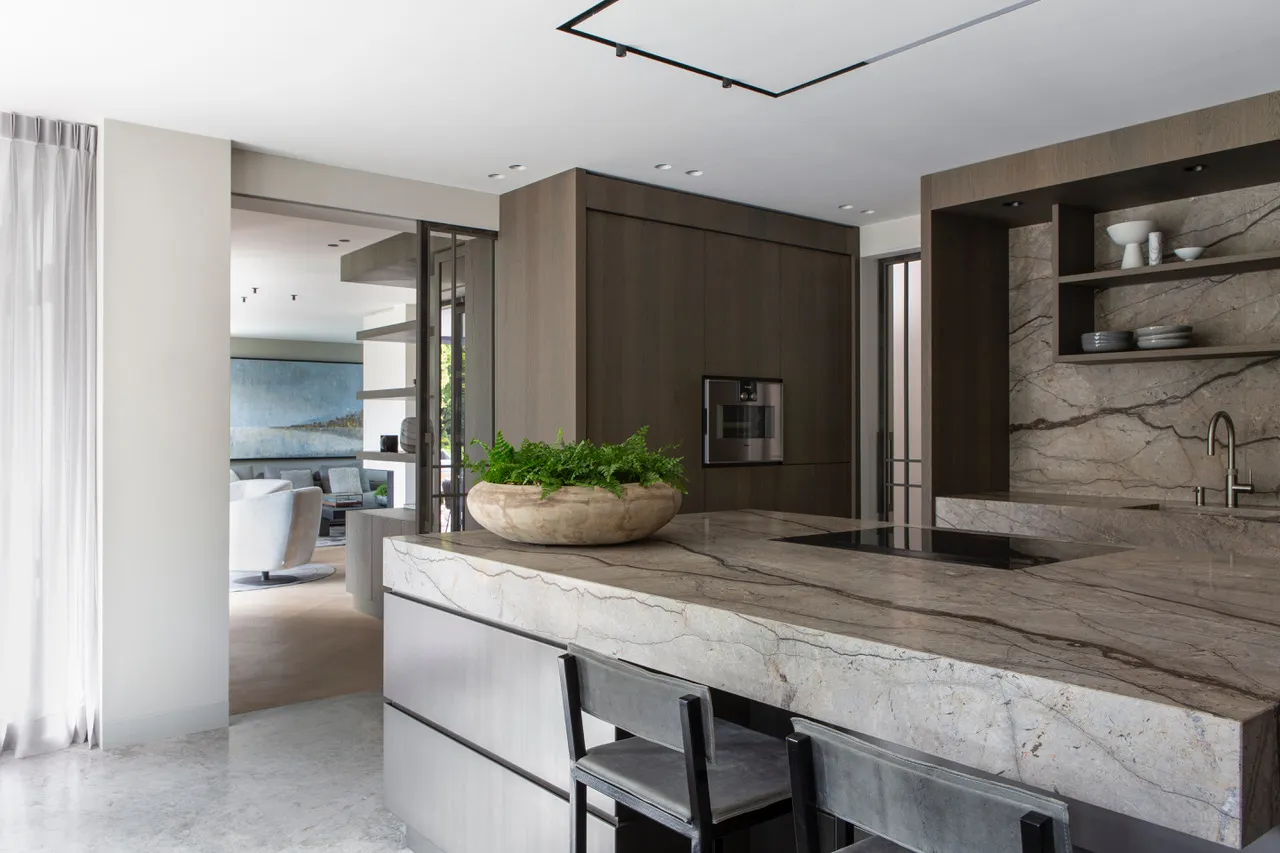
In the luxury segment, a kitchen is more than a functional space. It is a place where hospitality takes shape, daily rituals unfold, where aesthetics and functionality merge completely.
Whether a kitchen concealed behind classical wall panelling in a canal house, or a kitchen as centrepiece in a modern loft: every design is unique, tailored to how you live and receive.
Light and Shadow in the Amsterdam Context
The characteristic Amsterdam light demands thoughtful lighting design. The low winter sun position, the reflection from water, the narrow streets that filter natural light: it creates a specific context.
In canal houses, where windows often exist only at front and rear, it is essential to guide light into the property's depth. Through reflective materials, strategically placed mirrors, and artificial light that complements natural light.
In modern penthouses with large glass panels, it revolves around regulating light. Excessive natural light can be blinding, damage artworks and disturb privacy. It requires subtle systems that filter light without excluding it.
Artificial light is therefore an integral part of the design. Layered, dimmable, attuned to different moments of the day and different activities. From functional task lighting to intimate ambient light, every element is carefully chosen and positioned.
Materials That Tell Stories
In Amsterdam, a trading city that brought the world to itself for centuries, there exists a natural appreciation for quality and craftsmanship. I translate this appreciation into material selection.
Natural stone from Italy, oak from French forests, marble from Carrara, linen from Flanders: every material brings its own history. As an interior architect, I select not based on trends but on timeless quality.
The Warmth of Natural Materials
In a city of stone and water, natural materials bring warmth and softness. Wooden floors that move with the life of the property, natural stone that ages with grace, bronze elements that develop patina.
These materials are not merely beautiful, they are durable in the true sense of the word. They endure generations, develop character, improve with time.
The Power of Texture
Texture creates depth and interest without visual complexity. Raw linen curtains that filter Amsterdam light, velvet-soft fabrics that envelop seating, textured wall finishes that capture shadows.
In my designs, texture plays an essential role in creating warmth and tactility. It invites touch, invites experience with more senses than the eye alone.
The Design Process: From Vision to Completion
A collaboration always begins with thorough analysis. Not only of the space itself, but of how you live, what you value, which dreams you hold for your interior. In Amsterdam, where every property is unique, no project is the same.
The Exploration Phase
I spend time in your residence. Walk through the rooms at different moments of the day, feel how the light changes, listen to the sounds of the city and of the property itself. This quiet observation forms the foundation for every design.
Additionally, I immerse myself in the property's history. Who were the original inhabitants? How was the space originally configured? Which elements are authentic and which are later additions? This knowledge informs design choices.
From Concept to Realisation
The design process is collaborative and structured in phases. Sketch designs are refined, material samples are evaluated, details are perfected. Nothing is left to chance.
The execution phase demands meticulous coordination with contractors, craftsmen, suppliers. As interior architect, I guide every aspect of realisation, from the first demolition to the final veneer.
Interior Architect Versus Interior Designer in Amsterdam
In the luxury segment, the distinction between an interior designer and interior architect is essential. Where interior design may focus on styling, interior architecture encompasses the total transformation of space.
This means reading construction drawings, collaborating with structural engineers, implementing structural modifications, arranging permits for listed properties. It requires knowledge of load-bearing structures, installation technology, acoustics, climate.
In Amsterdam, where many properties are listed or face construction limitations, this expertise is indispensable for a successful project.
Art and Interior: A Natural Synergy
Amsterdam is an art city par excellence. The rich tradition, from Rembrandt to contemporary artists, forms an inspiration source and context for interior design.
In my projects, art is not decoration but an integral element. Spaces are designed with art presentation in mind: the right wall surfaces, correct lighting, appropriate backgrounds that allow art to speak without competing with it.
I often collaborate with art advisors and collectors to create a coherent vision wherein interior and art collection reinforce each other.
Sustainability in Amsterdam's Luxury Segment
Sustainability and luxury are not opposites but natural partners. In Amsterdam, a city that has cherished its monumental heritage for centuries, this is especially relevant.
In renovations of historical properties, sustainability means preserving and restoring existing elements. An original pine floor refinished, authentic fireplaces restored: this is the most sustainable form of interior.
New elements are chosen based on timelessness and quality. Not seasonal trends but investments that endure generations. Materials locally produced where possible, ethically sourced, recyclable at the end of their lifecycle.
Modern technology is invisibly integrated: energy-efficient climate systems, smart lighting, insulation that guarantees comfort without affecting the property's character.
Different Neighbourhoods, Different Characters
Amsterdam knows a rich diversity of districts, each with its own character and architecture.
De Pijp and De Jordaan: Authentic Charm
These working-class neighbourhoods possess their own identity. Smaller scale than the canal belt, sometimes more limited budgets in original construction, yet full of character. Here it revolves around finding balance between respecting authentic atmosphere and adding contemporary comfort.
Oud-Zuid and Apollobuurt: Stately Elegance
The more spacious properties in these neighbourhoods offer greater possibilities for grandeur. High ceilings, generous rooms, balconies and gardens: here luxury can fully unfold within the context of early 20th-century architecture.
Eastern Docklands: Contemporary Architecture
The newer developments along the IJ represent contemporary Amsterdam. Experimental architecture, sustainable concepts, international influences: here possibilities differ and the interior demands a modern approach.
Amsterdam Lifestyle Reflected in Interior
Amsterdam is a cosmopolitan city with an informal culture. The combination of international allure and Dutch pragmatism creates a unique context for interior design.
Interiors must be representative for receiving guests and business meetings, yet also warm and inviting for daily life. Formal and informal, grand and intimate, quiet and vibrant: the finest Amsterdam interiors embrace these contrasts.
Privacy and Discretion in a City Full of Eyes
In Amsterdam, where residences stand close together and windows are traditionally not screened, privacy presents a particular challenge. It requires intelligent solutions, such as transparent curtains that admit light but prevent views, or strategically placed partition walls.
In my working method, discretion is equally essential. Projects in the luxury segment demand absolute confidentiality. Every design remains the client's private domain.
Why Choose an Interior Architect in Amsterdam?
Amsterdam knows its own dynamics, its own building regulations, its own network of craftsmen and suppliers. An interior architect who knows the city understands this context.
Knowledge of which contractors possess experience with listed properties. Insight into municipal procedures for renovations in protected cityscapes. Relationships with specialised restorers and craftsmen.
But above all: understanding of what makes Amsterdam unique and how to translate that into interiors that honour the city whilst remaining timeless and personal.
It Begins with a Meeting
Every exceptional interior begins with a conversation. A moment where we meet, where you share your vision, where I listen to what you seek and what your residence asks.
This is not a sales pitch but an exploratory dialogue. The connection between interior architect and client is essential for a successful project. It requires mutual respect, shared ambitions, and trust that together we can create something exceptional.
Amsterdam Deserves Excellence
In a city with such rich architectural heritage and such vibrant contemporary culture, interiors deserve to do justice to both. Spaces that are respectful of the past without being nostalgic. Modern without losing their soul. Luxurious without being ostentatious.
As an interior architect in Amsterdam, it is my passion to create such interiors. By listening, observing, distilling to the essence. By choosing quality over quantity. By giving space to silence, even in the heart of a bustling metropolis.

Remy Meijers is a renowned interior designer working in the luxury segment, both in the Netherlands and internationally. With his philosophy focused on "The Shape of Silence," he creates timeless interiors that blend materials, form, and light.